
Safeguarding Sunday 2026 will be marked across Australia on 13 September under the theme “Love Protects”, highlighting safeguarding as a practical expression of Christian love.
Catholics around Australia will mark Safeguarding Sunday on 13 September. The 2026 theme, “Love Protects”, recognises that safeguarding is a practical expression of Christian love.
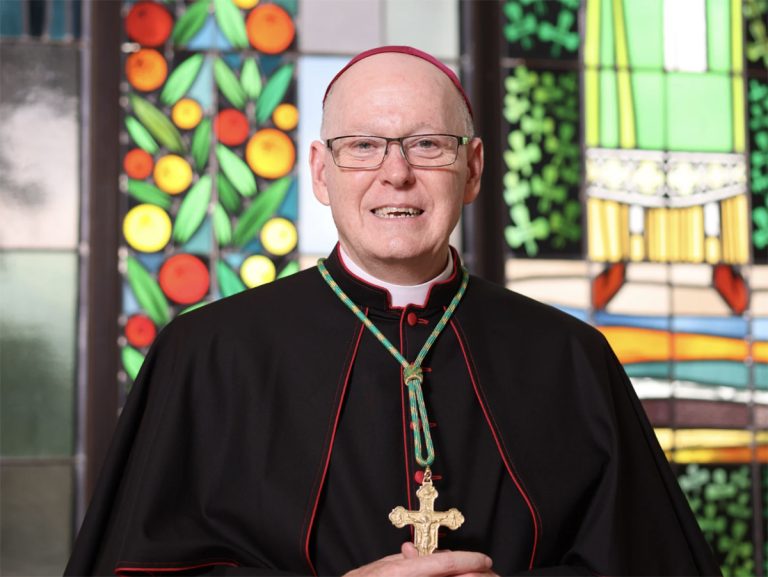
This year’s theme reminds us that ‘genuine love is demonstrated through action,’ said chair of the Bishops Commission for Professional Standards and Safeguarding, Bishop Greg Bennet. When communities prioritise the safety, dignity, and wellbeing of children, young people and vulnerable adults, they embody the love and care that is at the heart of the Gospel.
‘Safeguarding is an essential part of our mission and ministry. It calls each of us to be attentive, accountable and committed to ensuring that every person can participate in the life of the Church safely and with confidence.’
Safeguarding Sunday 2026 and the Church’s mission
Safeguarding Sunday also provides an opportunity to acknowledge the work of clergy, staff, volunteers and safeguarding leaders who work to foster cultures of safety and trust throughout church communities, the bishop said. Their dedication strengthens the Church’s commitment to preventing harm, responding appropriately to concerns and promoting the dignity of every person.
The Church is showing national leadership in safeguarding through:
- professional development that strengthens the capacity of Catholic organisations
- reviews, audits and assessments of Catholic organisations
- management of the Australian Catholic Ministry Register
- safeguarding awareness, education and communications initiatives.
Safeguarding Sunday also concludes the annual celebration of National Child Protection Week.
‘Love Protects’ through everyday action
‘Safeguarding is a shared responsibility and a shared mission, and is reflected not only in our policies and procedures, but in the everyday actions of our parishes, ministries, and communities,’ said Rachel Averbukh, director of the Archdiocese’s safeguarding unit. ‘We invite everyone across our Archdiocese to reflect on how we can each contribute to making our Church a safer place for children and young people, and work to centre their voice in the conversation.
‘To our parish safeguarding representatives, clergy, staff, volunteers and community members; thank you for the time, care and commitment you give to strengthening safeguarding and helping create safe environments for children and young people.’
‘Love protects when we listen. Love protects when we act. Love protects when we place the wellbeing of others at the centre of our decisions and our ministry,’ Bishop Bennet said. ‘Together, we can build communities where every person is valued, respected and safe.’
Resources for Safeguarding Sunday can be found here. They include suggested prayers of intercession as well as homily notes and reflections on the readings.
Why Safeguarding Sunday matters
Safeguarding is not only a matter for those with formal responsibility. It is a shared commitment that involves clergy, staff, volunteers, parishioners and everyone who participates in the life of the Church. Creating safe environments depends on people being attentive to the needs of others, knowing how to respond to concerns and being willing to act when something is not right.
The annual observance also provides an opportunity for parishes to recognise the people who contribute to safeguarding throughout the year. Their work includes education, professional development, reviewing practices and helping communities understand their responsibilities.
For Catholics, the “Love Protects” theme is therefore a reminder that safeguarding belongs to the Church’s wider mission. By listening, acting responsibly and placing the wellbeing of others at the centre of ministry, Catholic communities can help ensure every person is treated with dignity, respect and care.
These commitments help build trust and strengthen the Church’s witness in every community.
This article was first published by Melbourne Catholic and has been adapted and republished by EWTN Australia.